Songs › Grateful Dead › Fire on the Mountain
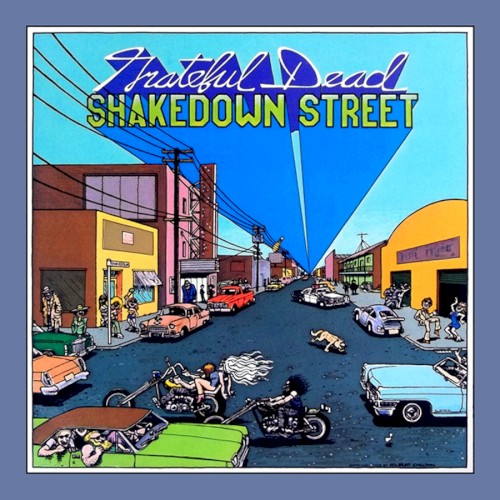
Grateful Dead
Fire on the Mountain
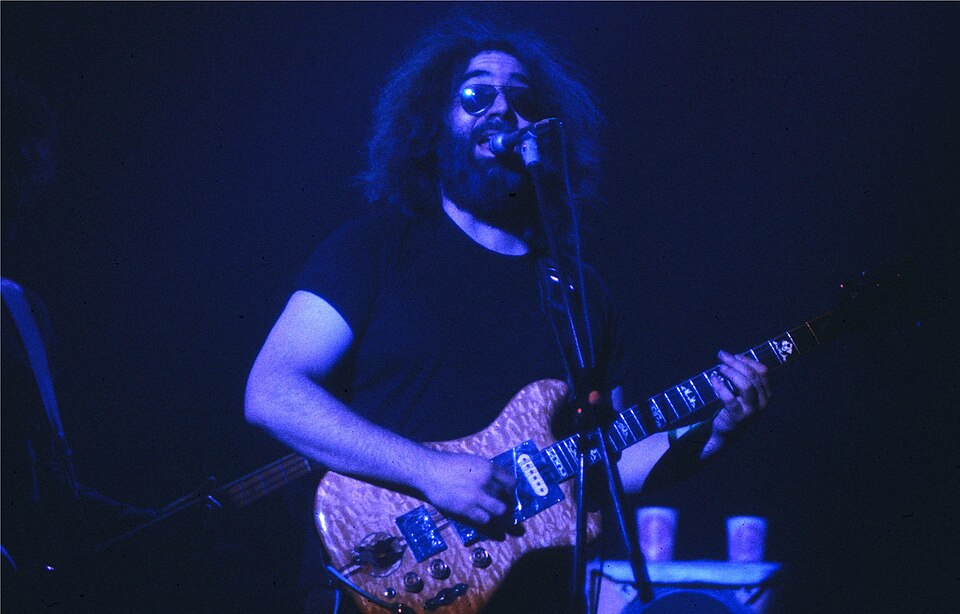
It was a drum piece, then a jam, then a song. The record came last.
Hollow marks: the other 49 scored songs · Hatched band: the Crossover Zone
The case
The strongest honest argument for each side, then the ruling.
The Garcia argument
The music existed before the song did, as an instrumental on a 1976 percussion album. The Dead played it on stage for about twenty months before a studio version was released, and when it was, it ran 3:46. At Cornell in 1977 it ran 15:40. It rests on a two-chord cycle with no built-in ending, and in 238 of 253 performances it grew straight out of the jam at the end of Scarlet Begonias.
The Lennon argument
The verses and the chorus are fixed and are sung identically every time. The groove itself is a written pattern, and every performance is recognizable within a bar. The studio version shows the song is complete at under four minutes.
The verdict: GLI 27
The repetition here is a platform. The cycle specifies almost nothing, and what fills it differs every night. It sits to the right of Bird Song only because the groove is stricter and the verses arrive on schedule.
What is fixed
- The two-chord cycle
- Verses and chorus
- The drum pattern
What is open
- Length
- Solos between the verses
- How it emerges from Scarlet Begonias
Evidence dimensions
Each runs from 0, Garcia, to 100, Lennon. Their weighted composite is 27. The published GLI is 27, the same.
A two-chord cycle with verses dropped in. Nothing fixes how long it runs.
3:46 in the studio. 15:40 at Cornell.
Three verses and a chorus are written. The rest is solos over the cycle.
A groove that the players ride, with Garcia soloing between verses for as long as it holds.
The studio cut came twenty months after the song was already a stage piece.
Transformational tolerance
High. It began as a drum instrumental, became a song, and was played for twenty months before anyone fixed it on tape.
Confidence: 92%
253 documented performances, with dated live and studio timings that differ by a factor of four.
Keep arguing
Every placement is relative. These are the songs this one was measured against.

Cross-band twin
Closest song from the other band
 Yer BluesGLI 31A Beatles song that travelled between three bands inside a year.Compare the two
Editorial counterpart
Chosen because it argues back
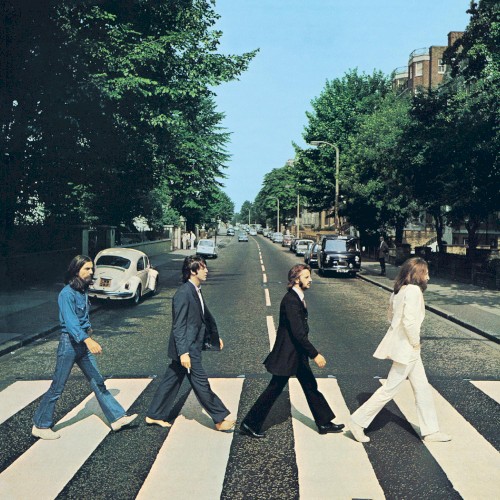 I Want You (She's So Heavy)GLI 44
Two songs built on a cycle that could run forever. The Dead let it. Lennon cut the tape.
Compare the twoThe record
- The music predates the song: an instrumental version, Happiness Is Drumming, appeared on the Diga Rhythm Band album in 1976.Source ↗
- It was played live from March 1977, about twenty months before the studio version was released.Source ↗
- Of 253 performances, only 15 were not paired with Scarlet Begonias.Source ↗
- The studio track runs 3:46. The Cornell version of 8 May 1977 runs 15:40.Source ↗
Where the sources disagree
- Performance count: 253 (dead.net) or 254 (setlist.fm).
- The album release date is given as 8 or 15 November 1978.
Catalog facts
- Catalog no.
- GLI·GD·023
- Artist
- Grateful Dead
- Writers
- Mickey Hart / Robert Hunter
- Release
- Shakedown Street (1978)
- Released
- 15 November 1978
- Duration
- 3:46
- Performed
- 253 times (dead.net and Wikipedia); 254 per setlist.fm
- First played
- 18 March 1977
- Last played
- 2 July 1995
Sources
- Wikipedia: Fire on the Mountain (Grateful Dead song)
- dead.net: Greatest Stories Ever Told, Fire on the Mountain
- Wikipedia: Cornell 5/8/77
Classified 5 October 2026