Songs › The Beatles › Dig It
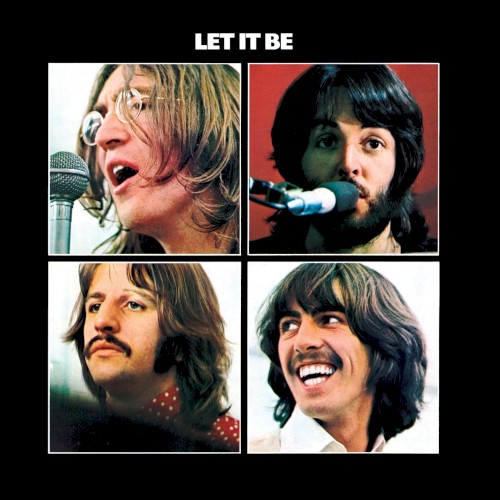
The Beatles
Dig It
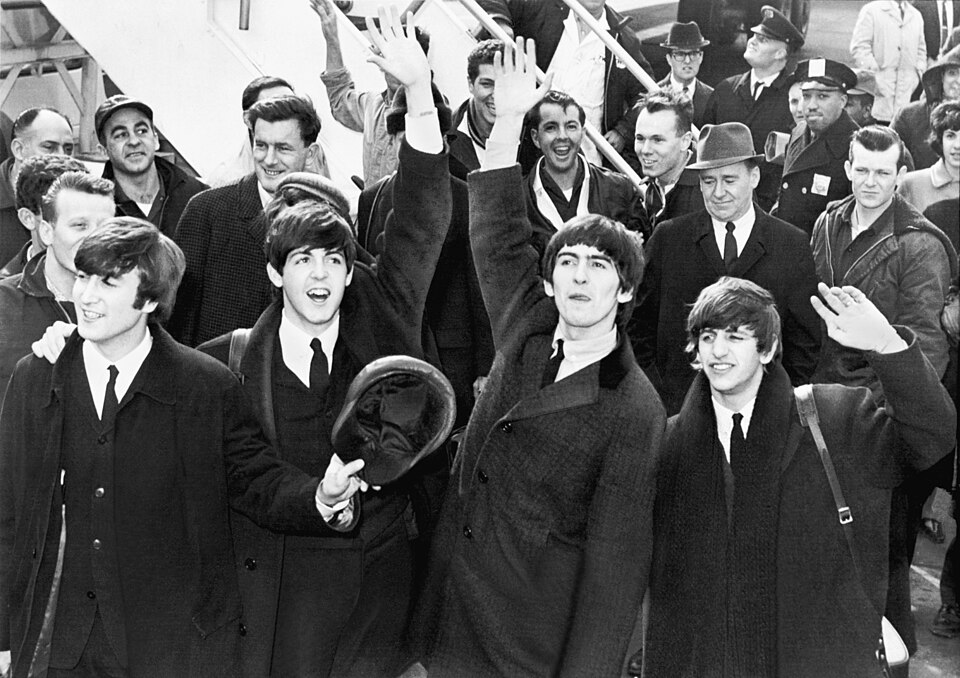
The Beatles did not write this one. They played it.
Hollow marks: the other 49 scored songs · Hatched band: the Crossover Zone
The case
The strongest honest argument for each side, then the ruling.
The Garcia argument
The Beatles did not write this. They played it. On 26 January 1969 the four of them, with Billy Preston on organ, jammed for more than twelve minutes while Lennon free-associated over a three-chord vamp. The credit goes to all four because there was no composition to assign. What was released is a recording of an event.
The Lennon argument
The track on Let It Be lasts 51 seconds. Somebody chose those 51 seconds, faded them in and placed them between two other songs, and that edit is the only Dig It most listeners know. The Beatles never played it again, so there is no second performance to compare. The released object is a constructed fragment.
The verdict: GLI 14
All of the music was generated in the act of playing, which is the Garcia condition in its plainest form, and the band is the Beatles. The edit pulls it a few points right, because selection is a decision applied afterwards. Confidence is low because the evidence is a single afternoon.
What is fixed
- The choice of excerpt
- Its place in the album sequence
What is open
- Everything that was played
Evidence dimensions
Each runs from 0, Garcia, to 100, Lennon. Their weighted composite is 14. The published GLI is 14, the same.
A three-chord vamp with no sections and no set length.
Inferred. Only one realization exists, and it was made up as it went.
Nothing was written beforehand, which is why all four Beatles are credited.
A jam. Lennon free-associates and the band follows.
The only dimension that pulls right. The released track is a 51-second excerpt somebody chose.
Transformational tolerance
Untested. The work has one realization, and listeners know it through an edit.
Confidence: 62%
The evidence is one afternoon. The Beatles never played it again, so Performance Consistency is inferred.
Keep arguing
Every placement is relative. These are the songs this one was measured against.
Cross-band twin
Closest song from the other band
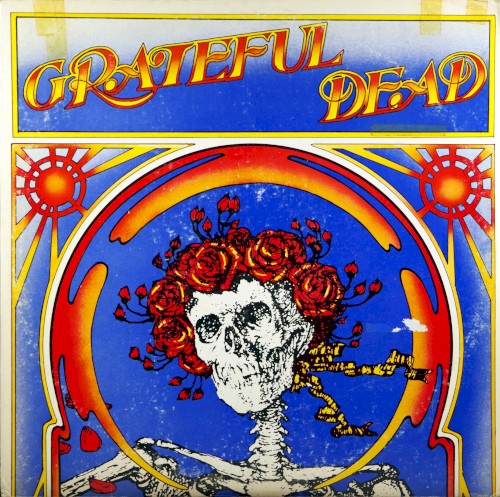
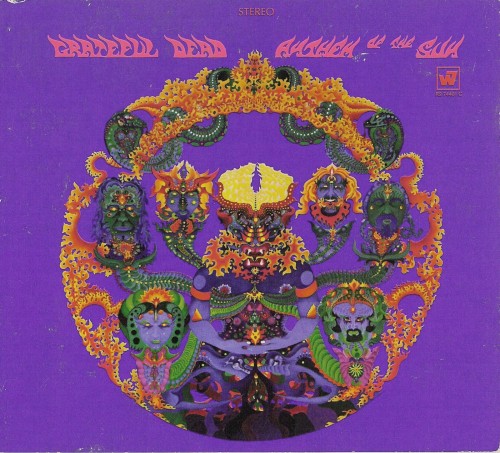 The Other OneGLI 10It began as the middle of a composed suite. The band kept only the part that left room.Compare the two
Editorial counterpart
Chosen because it argues back
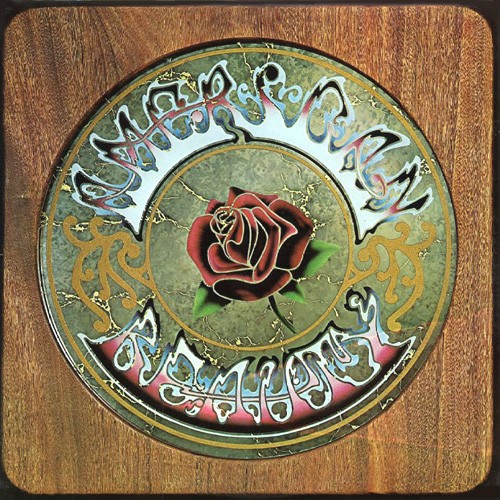 Attics of My LifeGLI 88
Each band's biggest heretic, facing the other across the whole Index.
Compare the twoThe record
- Credited to all four Beatles.Source ↗
- The album track is a 51-second excerpt from a jam recorded 26 January 1969.Source ↗
Where the sources disagree
- Length of the source jam: 12 minutes (Beatles Bible) or 15:05 (Wikipedia).
Catalog facts
- Catalog no.
- GLI·TB·001
- Artist
- The Beatles
- Writers
- Lennon / McCartney / Harrison / Starkey
- Release
- Let It Be (1970)
- Released
- 8 May 1970
- Duration
- 0:51
Sources
Classified 5 October 2026