Songs › Grateful Dead › Playing in the Band
Grateful Dead
Playing in the Band
4:39 in 1971. 46:32 in 1974. Same song.
Hollow marks: the other 49 scored songs · Hatched band: the Crossover Zone
The case
The strongest honest argument for each side, then the ruling.
The Garcia argument
On the 1971 live album it lasts 4:39. On 21 May 1974 in Seattle it lasted 46:32. Both are the same work. The middle section has no written content: the band leaves the song, improvises with no set length, and finds its way back to the riff. The difference between a short version and a long one is forty minutes of music that did not exist until it was played.
The Lennon argument
The outer sections are tightly written. The main riff is in 10/4, the verses and chorus are fixed, and the reprise has to land exactly for the song to close. In early 1971 the band played it as a compact song with no jam at all, and that version is complete. The open section was added to a finished composition.
The verdict: GLI 18
A composed song with a hole cut in the middle, and after 1972 the hole is where most of the music happens. The head is more elaborate than The Other One's, which moves it to the right. On any given night, though, most of what you hear was decided on stage.
What is fixed
- The 10/4 riff
- Verses and chorus
- The reprise
What is open
- Whether there is a middle section
- Its length, key centre and content
- What is played inside it
Evidence dimensions
Each runs from 0, Garcia, to 100, Lennon. Their weighted composite is 17. The published GLI is 18, 1 higher after comparison with neighbouring songs. The allowed margin is 6.
Tightly written outer sections around a middle with no specified length or content.
4:39 on the 1971 album. 46:32 in Seattle on 21 May 1974. Both are the work.
The head is fully written. After 1972 the head is the smaller part of most performances.
The band leaves the song, improvises without a set length and has to find the riff again.
Its first release was a live recording, and no version became the reference.
Transformational tolerance
Remove the jam and a complete song remains. Remove the song and the jam has no way home.
Confidence: 95%
581 documented performances, including dated extremes of 4:39 and 46:32.
Keep arguing
Every placement is relative. These are the songs this one was measured against.
Cross-band twin
Closest song from the other band
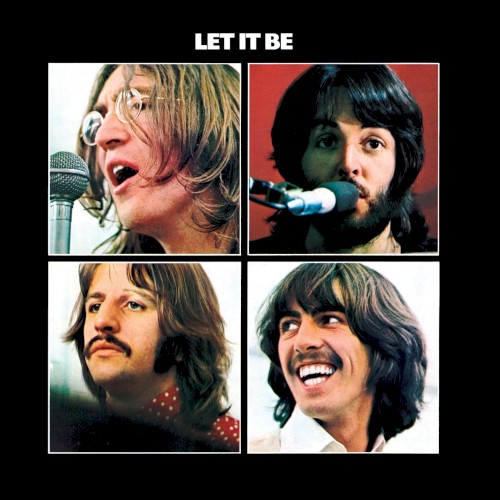 Dig ItGLI 14The Beatles did not write this one. They played it.Compare the two
Editorial counterpart
Chosen because it argues back
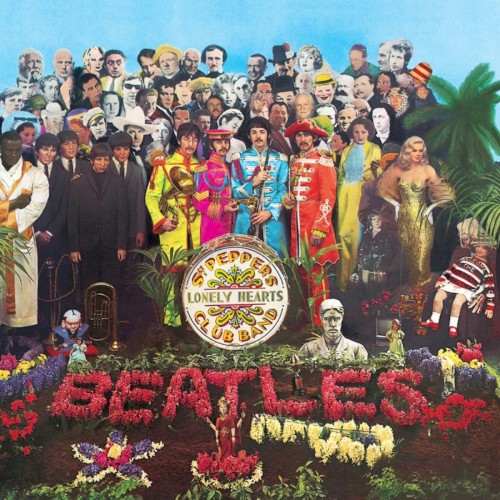 A Day in the LifeGLI 87
Both cut an open hole in a composed song. The Beatles' hole is 24 bars long and happened once.
Compare the twoThe record
Catalog facts
- Catalog no.
- GLI·GD·003
- Artist
- Grateful Dead
- Writers
- Bob Weir / Robert Hunter (Ace, 1972, adds Mickey Hart)
- Release
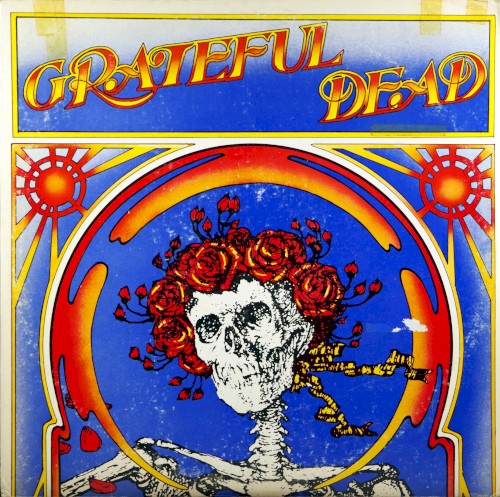
- First released live on Grateful Dead (Skull & Roses), 1971. Studio version on Bob Weir's Ace, 1972 (7:38).
- Released
- 24 September 1971
- Duration
- 4:39
- Performed
- 581 times (DeadBase X, as cited by Wikipedia and dead.net); 635 per setlist.fm
- First played
- 18 February 1971
- Last played
- 6 July 1995
Sources
- Wikipedia: Playing in the Band
- Wikipedia: Grateful Dead (album)
- Wikipedia: Ace (Bob Weir album)
- dead.net: Greatest Stories Ever Told, Playing in the Band
Classified 5 October 2026