Songs › The Beatles › Don't Let Me Down
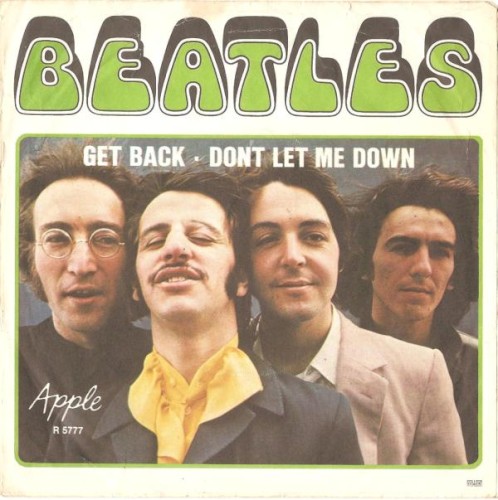
The Beatles
Don't Let Me Down
Two different recordings have been released as this song.
Hollow marks: the other 49 scored songs · Hatched band: the Crossover Zone
The case
The strongest honest argument for each side, then the ruling.
The Garcia argument
The single is a live-in-the-studio take from 28 January 1969, with five players in a room. Two days later the band played it twice on the roof. A later official release replaced the single version with a composite of those rooftop performances, so the catalogue itself treats more than one performance as the song.
The Lennon argument
The song is a written verse, chorus and bridge with a fixed lyric, and it was rehearsed across seven sessions before the keeper. The three documented versions follow the same plan. What varies is delivery.
The verdict: GLI 47
A written song whose record is a performance. That is the same balance as Wharf Rat, reached from the other band. Dead Center, slightly to the Garcia side because the record is close to a plain document.
What is fixed
- Lyric
- Verse, chorus and bridge
- The arrangement
What is open
- Vocal delivery
- The electric piano lines
- Which performance is the reference
Evidence dimensions
Each runs from 0, Garcia, to 100, Lennon. Their weighted composite is 47. The published GLI is 47, the same.
Verse, chorus and bridge in a fixed order.
A studio version and two rooftop versions, close in shape and different in delivery.
The song was written. The performance of it was not planned.
A band playing live together, with a guest on electric piano answering the voice.
Two recordings have been issued as the song: a studio take and a rooftop composite.
Transformational tolerance
Good. Its official releases already include two different performances.
Confidence: 78%
A studio master and two rooftop performances exist. Sources differ on whether the master was overdubbed.
Keep arguing
Every placement is relative. These are the songs this one was measured against.
Cross-band twin
Closest song from the other band
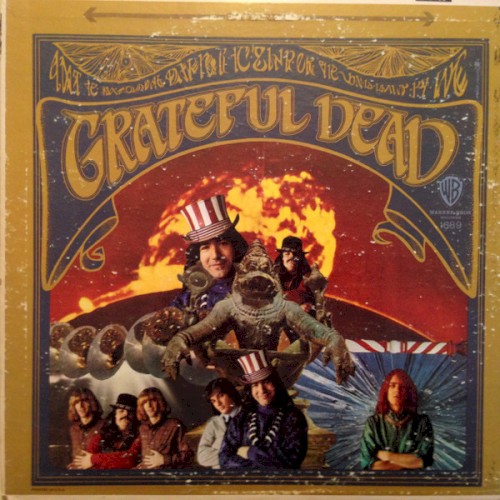 Morning DewGLI 46Somebody else wrote it. What the Dead added was the ending.Compare the two
Editorial counterpart
Chosen because it argues back
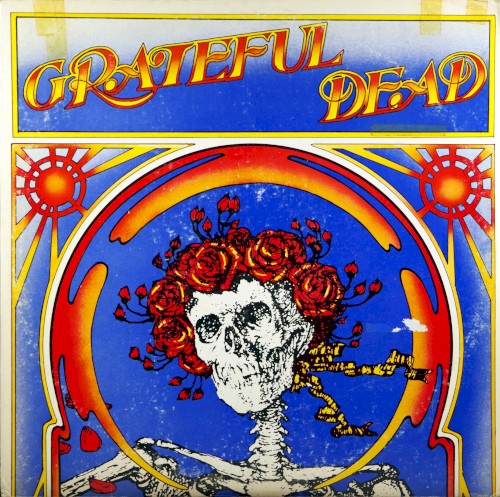 Wharf RatGLI 50
Two written songs whose records are performances.
Compare the twoThe record
- The single is a studio recording made on 28 January 1969.Source ↗
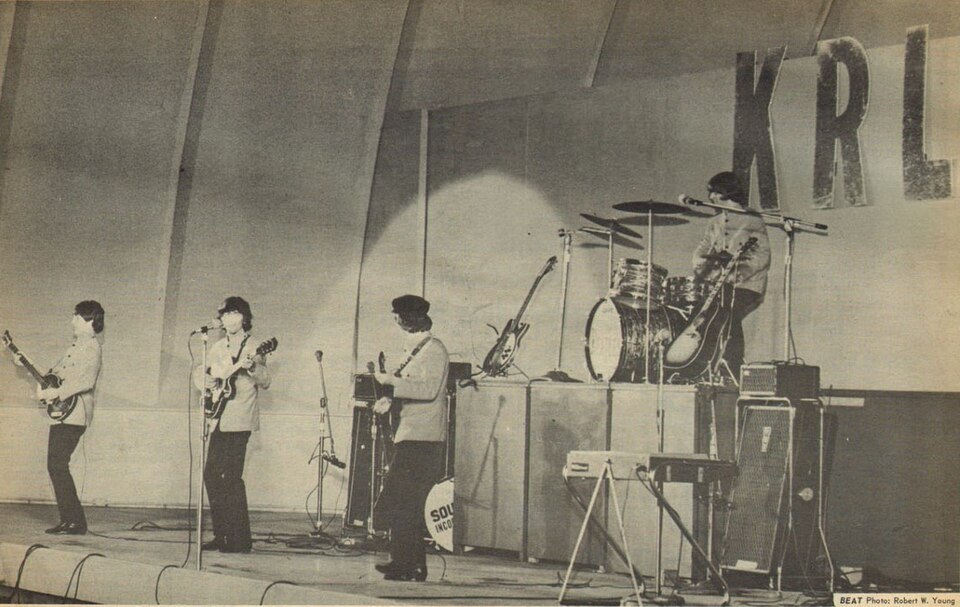
- It was played twice at the rooftop concert two days later.Source ↗
- The 2003 release Let It Be... Naked uses a different recording, a composite of the two rooftop performances.Source ↗
- The song was worked on across seven January sessions, with Billy Preston on electric piano.Source ↗
Where the sources disagree
- Wikipedia mentions vocal overdubs in early February; the Beatles Bible page mentions none.
Catalog facts
- Catalog no.
- GLI·TB·022
- Artist
- The Beatles
- Writers
- Lennon–McCartney
- Release
- Get Back / Don't Let Me Down (1969)
- Released
- 11 April 1969
- Duration
- 3:35
Sources
Classified 5 October 2026