Songs › Grateful Dead › Help on the Way
Grateful Dead
Help on the Way
Three tight written minutes that always open onto a jam.
Hollow marks: the other 49 scored songs · Hatched band: the Crossover Zone
The case
The strongest honest argument for each side, then the ruling.
The Garcia argument
No known performance stood alone. Every one ran directly into the instrumental Slipknot!, which the band treated as one of its best vehicles for exploration. Heard as the opening of that sequence, Help on the Way is the head of a long improvised piece.
The Lennon argument
Taken as the song it is, this is among the most tightly composed things the Dead played. It was written in the studio, music first, with unison lines, dropped beats and quick turnarounds that leave no slack. The first performance was instrumental because the words had not been written to fit it yet. You cannot loosen it and keep it.
The verdict: GLI 74
The Index classifies the song, and the song is fixed. The jam belongs to what follows. Lennon leaning, and kept out of the eighties because it was built as an entrance and never performed as anything else.
What is fixed
- Every line of the arrangement
- Lyric
- The form
What is open
- Nothing inside the song
- Everything in the instrumental it leads to
Evidence dimensions
Each runs from 0, Garcia, to 100, Lennon. Their weighted composite is 74. The published GLI is 74, the same.
A tight three-minute form with dropped beats and unison lines.
It has to be played as written or it falls apart.
Composed in the studio, music first, with words fitted afterwards.
Written. The exploring starts in the instrumental that follows it.
The studio cut is the model, though the song lived on stage for twenty years.
Transformational tolerance
Low inside the song. All of the tolerance is next door, in Slipknot!.
Confidence: 80%
One exact performance count was found. The description of the writing comes from the band's own site.
Keep arguing
Every placement is relative. These are the songs this one was measured against.
GLI neighbours
Numerically closest
 Casey JonesGLI 73
 Come TogetherGLI 75
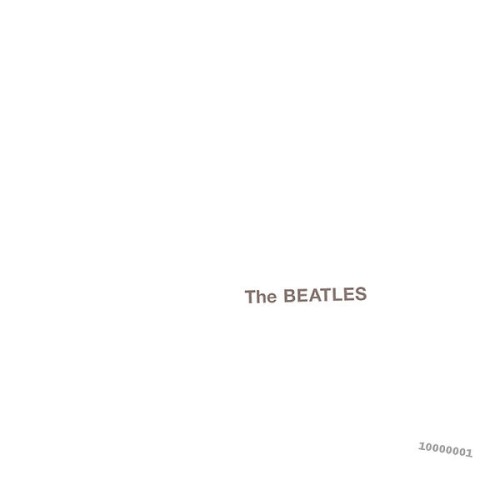 While My Guitar Gently WeepsGLI 71
Cross-band twin
Closest song from the other band
Come TogetherGLI 75It arrived fast and perky. The record is what happened after someone said to slow it down.Compare the twoEditorial counterpart
Chosen because it argues back
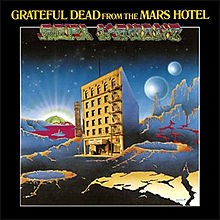 Scarlet BegoniasGLI 38
Both are written songs that always lead into something open. Help on the Way keeps the two apart. Scarlet Begonias lets them run together.
Compare the twoThe record
- Blues for Allah was written from scratch in the studio in early 1975, not road-tested first.Source ↗
- The writing is tightly composed: unison and parallel-harmony lines, dropped beats and quick turnarounds.Source ↗
- The first performance, on 17 June 1975, was instrumental. Hunter wrote the words to fit the music afterwards.Source ↗
- No known performance was not followed directly by the instrumental Slipknot!.Source ↗
Where the sources disagree
- Only one exact performance count was found (setlist.fm); deaddisc says "just over 100".
- Sources list the original LP with 10 or 11 tracks.
Catalog facts
- Catalog no.
- GLI·GD·020
- Artist
- Grateful Dead
- Writers
- Jerry Garcia / Robert Hunter
- Release
- Blues for Allah (1975)
- Released
- 1 September 1975
- Duration
- 3:15
- Performed
- 111 times (setlist.fm)
- First played
- 17 June 1975
- Last played
- 22 June 1995
Sources
- Wikipedia: Blues for Allah
- dead.net: Greatest Stories Ever Told, Help on the Way / Slipknot!
- deaddisc: Help on the Way
Classified 5 October 2026