Songs › Grateful Dead › Terrapin Station
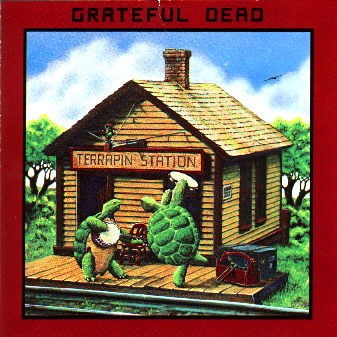
Grateful Dead
Terrapin Station
A seven-part suite. The band only ever played three parts of it.
Hollow marks: the other 49 scored songs · Hatched band: the Crossover Zone
The case
The strongest honest argument for each side, then the ruling.
The Garcia argument
The record and the performed work are different things. The album track is 16 minutes in seven sections with strings, horns and choir added by the producer while the band was away. On stage the Dead played only the first three sections, with none of the orchestration, and never performed the suite complete. The live piece is the band's own reading of it.
The Lennon argument
It is the most through-composed piece in the Dead's book. The sections follow in a set order with a narrative lyric and a written instrumental theme, and the part they did play was played in the same order each time. Leaving out sections is an editing choice.
The verdict: GLI 79
A composed long-form work, performed in abridged form. Its position is high because nearly everything played was written. It is held below Ripple because the band rejected the record's version of it, so the recording does not define the work.
What is fixed
- Section order
- Narrative lyric
- The instrumental theme
What is open
- Which sections are played
- Length of the closing theme
- Texture without the orchestra
Evidence dimensions
Each runs from 0, Garcia, to 100, Lennon. Their weighted composite is 79. The published GLI is 79, the same.
A through-composed suite in named sections.
The three sections played live were played in order and largely as written.
Written as a long form with a narrative lyric.
Composed development: one section follows another by design.
The record carries an orchestra and choir the band did not ask for and never reproduced.
Transformational tolerance
The band dropped four of seven sections and the orchestra, and what was left still held together as written.
Confidence: 86%
The construction of the record and the limits of the live version are both well sourced.
Keep arguing
Every placement is relative. These are the songs this one was measured against.
Cross-band twin
Closest song from the other band
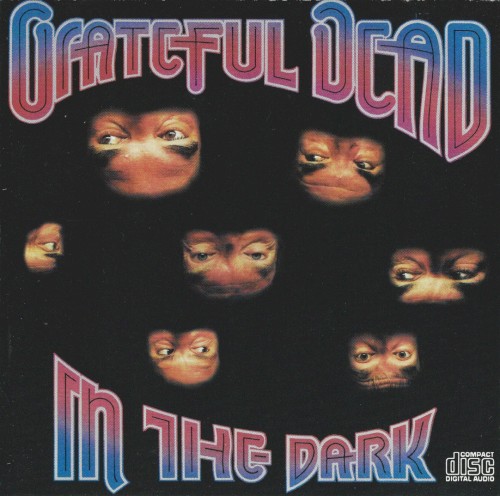
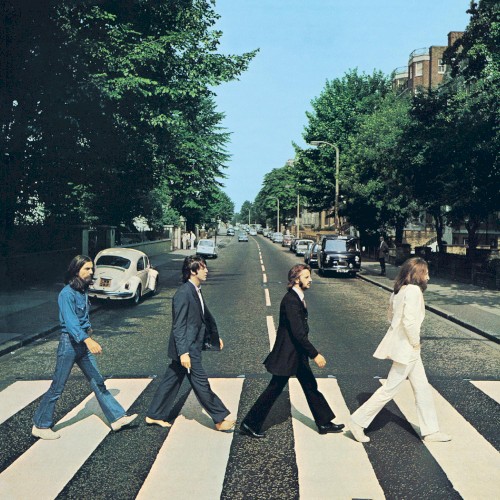 Come TogetherGLI 75It arrived fast and perky. The record is what happened after someone said to slow it down.Compare the two
Editorial counterpart
Chosen because it argues back
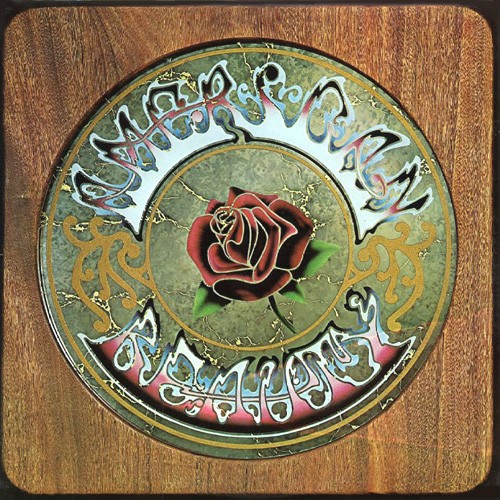
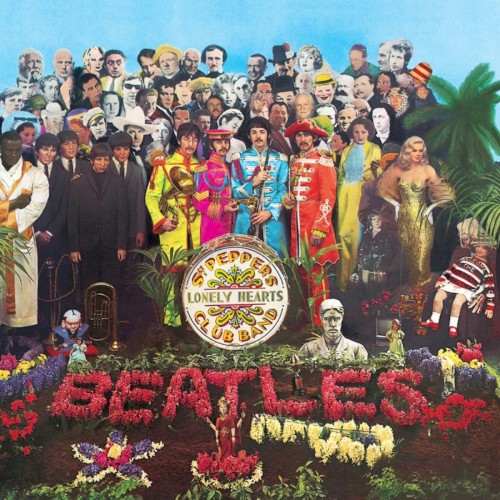 A Day in the LifeGLI 87
Two orchestrated suites from a rock band. The Beatles commissioned their orchestra. The Dead came home and found theirs.
Compare the twoThe record
- The album track is a seven-section suite running 16:23.Source ↗
- Producer Keith Olsen had strings, horns and choir added in London, arranged by Paul Buckmaster, while the band was on tour and without consulting them.Source ↗
- Live, the band played only the first three sections. The full suite was never performed.Source ↗
- The section At a Siding was never performed live with its lyrics by the Grateful Dead.Source ↗
Where the sources disagree
- Only one exact performance count was found (setlist.fm); other sources say "over 300".
Catalog facts
- Catalog no.
- GLI·GD·021
- Artist
- Grateful Dead
- Writers
- Jerry Garcia / Robert Hunter (album suite also credits Mickey Hart and Bill Kreutzmann)
- Release
- Released as the side-long suite "Terrapin Part 1" on Terrapin Station, 1977.
- Released
- 27 July 1977
- Duration
- 16:23
- Performed
- 302 times (setlist.fm)
- First played
- 26 February 1977
- Last played
- 8 July 1995
Sources
- Wikipedia: Terrapin Station
- dead.net: Greatest Stories Ever Told, Terrapin Station
- deaddisc: Terrapin Station
Classified 5 October 2026