Songs › The Beatles › The End
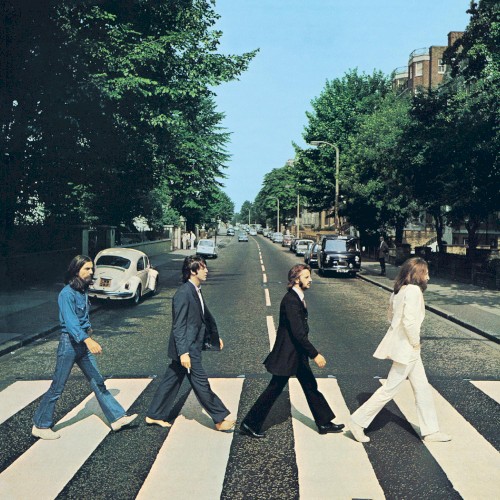
The Beatles
The End
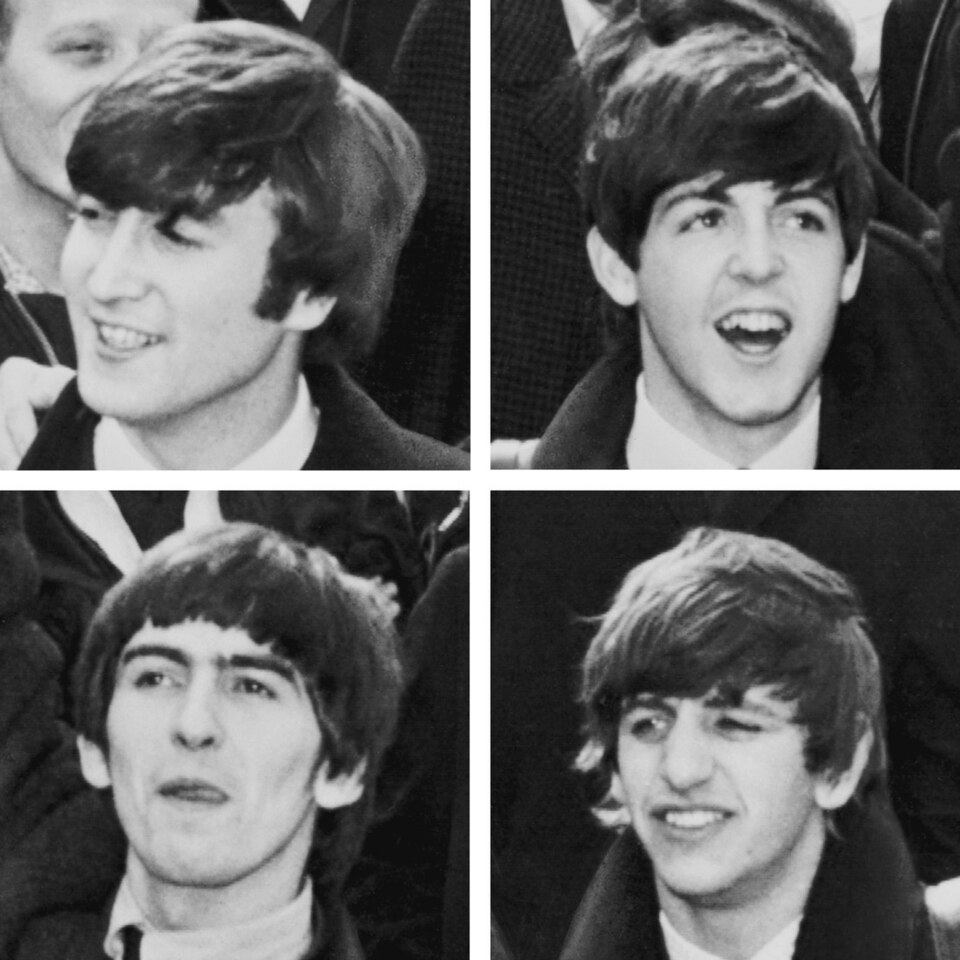
Three Beatles trading guitar solos live, inside a medley planned to the bar.
Hollow marks: the other 49 scored songs · Hatched band: the Crossover Zone
The case
The strongest honest argument for each side, then the ruling.
The Garcia argument
Most of this short track is soloing. Starr plays the only drum solo he recorded with the band. Then McCartney, Harrison and Lennon trade two-bar guitar phrases three times round, recorded together on one track in a single take with their amps lined up side by side. Each phrase answers the one before it.
The Lennon argument
The solos fill a container counted to the bar: two bars each, three rounds, then out. The track sits in a planned medley, with a drum solo recorded on twelve microphones and an orchestra overdubbed weeks later. Nothing about its length or position was open.
The verdict: GLI 67
Improvised content in a strict frame, which is A Day in the Life's arrangement with a larger share given to the players. That share moves it twenty points left of the orchestral piece. The frame keeps it Lennon leaning.
What is fixed
- The bar counts
- Order of soloists
- The closing couplet and orchestra
What is open
- What each player plays in his two bars
- The drum solo
Evidence dimensions
Each runs from 0, Garcia, to 100, Lennon. Their weighted composite is 67. The published GLI is 67, the same.
Every section is counted, including the solos.
Inferred. The Beatles never played it live.
The frame is written. The drum solo and guitar solos are not.
Three guitarists trading two-bar phrases in one take.
An orchestra and a closing piano were added later, and the track is part of an edited medley.
Transformational tolerance
The frame could be replayed. Those particular solos could not.
Confidence: 80%
Session accounts are detailed. Which take became the master was not confirmed.
Keep arguing
Every placement is relative. These are the songs this one was measured against.
Cross-band twin
Closest song from the other band
 Uncle John's BandGLI 66The harmony is the point, and harmony has to be written.Compare the two
Editorial counterpart
Chosen because it argues back
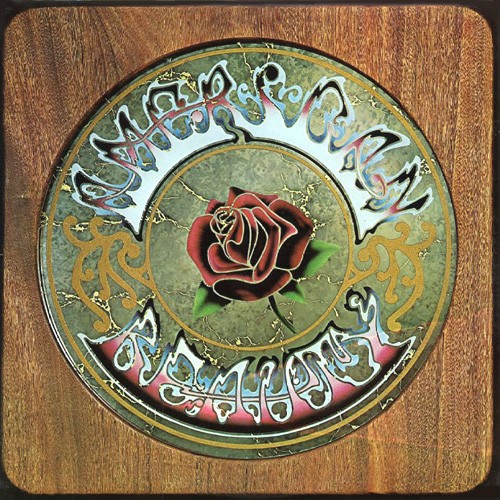 Sugar MagnoliaGLI 60
Both are written pieces with a marked-off space for playing. The Beatles' space is counted in bars.
Compare the twoThe record
- It contains the only drum solo Starr recorded with the Beatles.Source ↗
- The guitar solos rotate McCartney, Harrison, Lennon in two-bar turns, three times round.Source ↗
- Engineer Geoff Emerick recalled the three guitar amps lined up together and the solos recorded onto one track in a single take.Source ↗
- Overdubs followed in August: vocals, bass, drums, an orchestra of about 30 and the closing piano.Source ↗
Where the sources disagree
- The orchestra is given as about 30 players; one instrument list adds up to 26.
- The guitar solos were overdubbed onto the backing track. "Live" describes the three guitarists, not the whole band.
Catalog facts
- Catalog no.
- GLI·TB·025
- Artist
- The Beatles
- Writers
- Lennon–McCartney
- Release
- Abbey Road (1969)
- Released
- 26 September 1969
- Duration
- 2:05
Sources
Classified 5 October 2026