Songs › Grateful Dead › Uncle John's Band
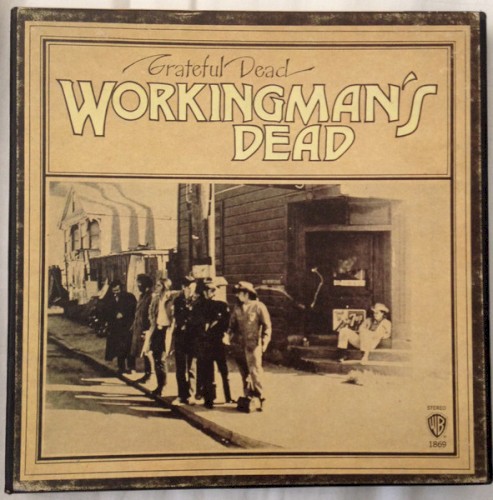
Grateful Dead
Uncle John's Band
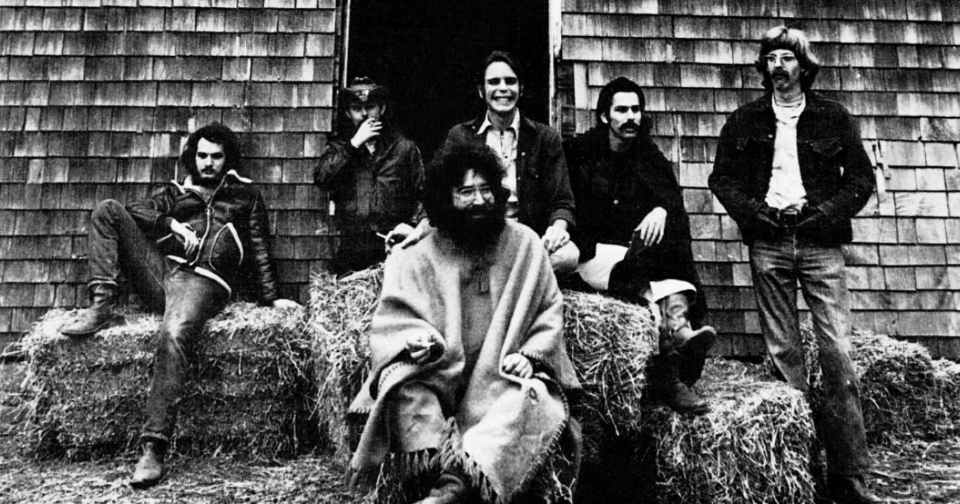
The harmony is the point, and harmony has to be written.
Hollow marks: the other 49 scored songs · Hatched band: the Crossover Zone
The case
The strongest honest argument for each side, then the ruling.
The Garcia argument
The band did open it up on stage. An instrumental passage became a place to improvise, and later performances stretch well past the 4:42 of the record. 330 known performances show real variation in length and intensity.
The Lennon argument
The song is built on a written three-part vocal arrangement, and the harmony is the point. Melody, lyric, chord sequence and the stop-time figures are all specified and had to be rehearsed. On Workingman's Dead it is an acoustic studio piece with nothing left to chance.
The verdict: GLI 66
Its identity sits in the written song and the vocal arrangement. The jam is real, but it lives inside one marked-off section and the song comes back from it to a fixed ending. Lennon leaning, with enough documented openness to keep it out of Ripple's territory.
What is fixed
- Three-part vocal arrangement
- Melody and lyric
- Stop-time figures
- The ending
What is open
- Length of the instrumental passage
- What is played inside it
Evidence dimensions
Each runs from 0, Garcia, to 100, Lennon. Their weighted composite is 65. The published GLI is 66, 1 higher after comparison with neighbouring songs. The allowed margin is 6.
Verse, chorus and stop-time figures in a set order, with one instrumental passage of variable length.
The song is steady. The instrumental section grew and shrank.
A three-part vocal arrangement that had to be worked out and rehearsed.
Mostly composed. One marked-off section develops by improvisation and then returns to a fixed ending.
The Workingman's Dead cut is a careful acoustic studio performance, but the song does not need it.
Transformational tolerance
It survives electric and acoustic readings. It does not survive losing the harmony.
Confidence: 88%
330 known performances. The description of the instrumental passage needs a dated source.
Keep arguing
Every placement is relative. These are the songs this one was measured against.
Cross-band twin
Closest song from the other band
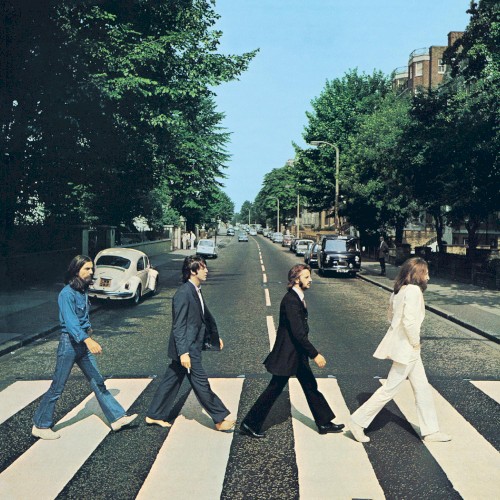 The EndGLI 67Three Beatles trading guitar solos live, inside a medley planned to the bar.Compare the two
Editorial counterpart
Chosen because it argues back
 RippleGLI 81
Same band, same year, same writers. One was given a door. The other was not.
Compare the twoThe record
- The album track on Workingman's Dead runs 4:42.Source ↗
- Played 330 known times from late 1969 to June 1995.Source ↗
Where the sources disagree
- First performance: 1 November 1969 (setlist.fm) or 4 December 1969 (dead.net).
- Final performance not pinned down. It was played 28 June 1995 at The Palace.
Catalog facts
- Catalog no.
- GLI·GD·006
- Artist
- Grateful Dead
- Writers
- Jerry Garcia / Robert Hunter
- Release
- Workingman's Dead (1970)
- Released
- 1970 · exact date not verified
- Duration
- 4:42
- Performed
- 330 times (dead.net ("330 known times")); 351 per setlist.fm
- First played
- 1 November 1969
- Last played
- Not pinned down
Sources
- Wikipedia: Uncle John's Band
- dead.net: Greatest Stories Ever Told, Uncle John's Band
- deaddisc: Uncle John's Band
Classified 5 October 2026